
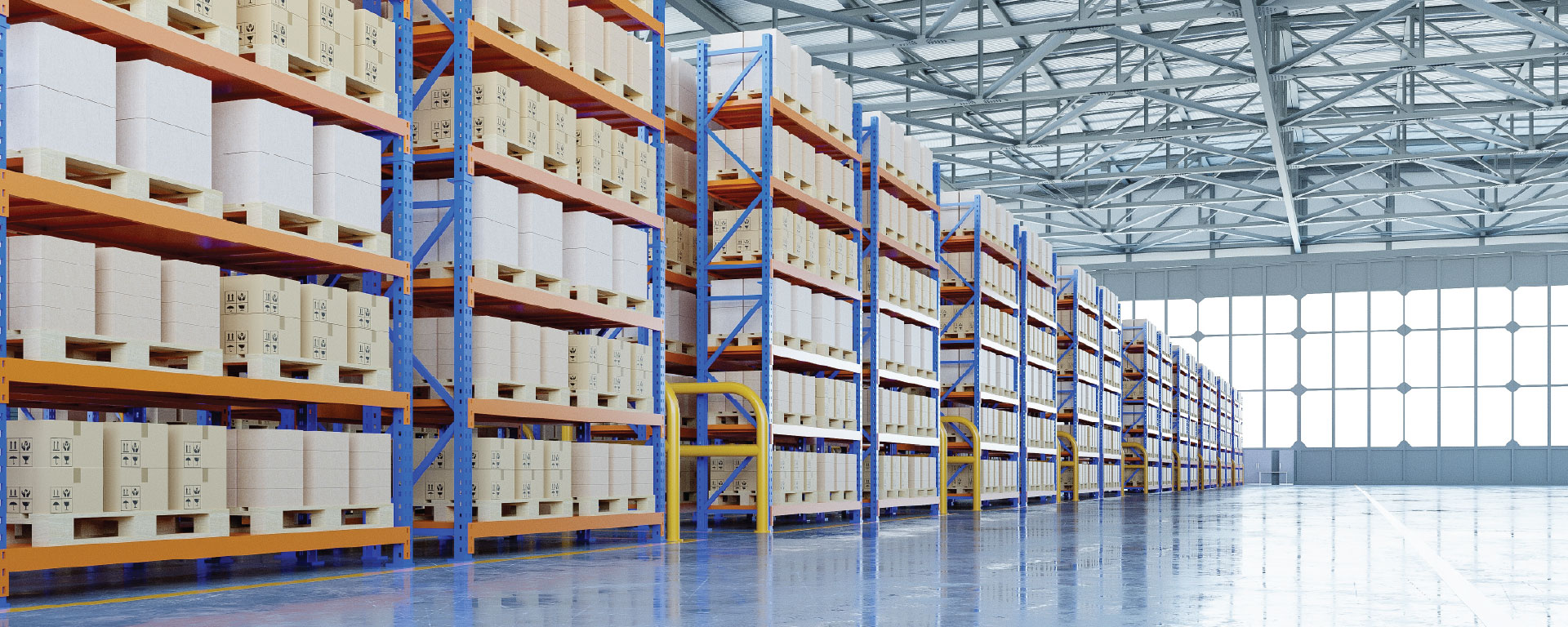
Do you require a warehouse in Delhi to expand your business? Expansion of e-commerce units, diversification of supply chains, and emerging third-party logistics companies have transformed the region of Delhi NCR as a major warehousing landscape in 2025.
Let us understand some of the major factors that have affected the warehousing market in Delhi
1. The Demand Dynamics
Three key occupier groups have been shooting up the demand for warehouses in Delhi :
- E-commerce and quick commerce players that focus on instant or relatively faster order fulfillment and proximity to their target consumer groups
- Third-party logistic operators who are running multi-client operations at once.
- FMCG brands and manufacturing units are setting up regional storage hubs and distribution centres.
- Emerging pharmaceutical companies, brands selling fresh goods and units selling automotive components have a major demand for temperature-controlled and compliance-ready warehouses in Delhi.
The evolving preferences of manufacturers and third-party logistic companies have transformed warehouses in Delhi from small-scale, fragmented storage units to Grade A, tech-integrated warehouses in Delhi that are equipped with features like digital inventory tracking, automation and sustainability functions.
2. Rental trends
Despite the huge surge in demand, rental costs for warehouses in Delhi have not hiked proportionately. Such stability is possible due to pre-leasing commitments and new developments in Delhi NCR by major occupiers. Depending on location and specification, the average rentals for Grade A warehouses in Delhi range anywhere between Rs 14 to Rs 28 per square foot per month. Maximum utilization of warehousing space has created a balanced rental market that benefits both occupiers and developers.
3. Key Warehousing submarkets and hotspots
Delhi NCR has different warehousing spaces distributed across multiple corridors. Each of these corridors serves different price points and business needs.
Some of the major submarkets are:
- Gurugram Farukhnagar Pataudi Road Belt
This corridor is near NH-8 and KMP Expressway along with other consumption centres like South Delhi and Gurugram which makes it one of the most active warehousing submarkets in Delhi. Developers in this corridor are focusing on building modern warehouses in Delhi that cater to multi-client users. It makes this corridor ideal for last-mile operations.
- Greater Noida- Dadri-Ghaziabad Corridor
Due to the Eastern Peripheral Expressway and nearby industrial corridors, large scale occupiers prefer this submarket warehousing location. This zone will benefit from the upcoming warehouses in Delhi near the Noida International Airport and other connected freight corridors.
- Kundli-Narela-Sonipat Delhi
This submarket in the northern corridor of Delhi offers the perfect blend of accessibility and cost efficiency for building warehouses in Delhi. It is a perfect fit for FMCG, retail and third-party logistics companies that require instant access to Delhi’s peak consumption zones at reasonable rental levels.
- Bahadurgarh- Jhajjar- Rohtak cluster
This is a cost-effective and accessible submarket in Delhi ideal for long-term and large-scale warehouses in Delhi. The hyper-connected network of this area to eastern and northern markets makes it a perfect fit for manufacturing and industrial storage units.
4. Policy support and challenges
The Central Government’s National Logistics Policy (NLP) and the Government of Delhi’s policy to boost warehousing spaces in Delhi have provided enough policy support to improve warehouse infrastructure and streamline freight movement in Delhi. The upcoming Delhi Logistics and Warehousing Policy has enabled integrated logistics parks and modern warehouses in Delhi that promote multimodal transport.
It has also made land approvals faster. However, there are also challenges, such as delays in the acquisition of land, fragmented last-mile connectivity, traffic congestion near city borders, etc. Addressing these concern areas will help Delhi maintain its position as a competitive logistics hub.
5. Shift in modern warehousing standards
There has been a huge shift in the modern warehousing scene of Delhi due to major upgradation in the designs and functionality of warehouses in Delhi. Today warehouses in Delhi are mostly already equipped with standard facilities like 10-12 metre clear heights, fire and safety systems, solar-ready rooftops, and ESG compliance standards and solar-ready rooftops.
It has become a standard practice in Delhi NCR to integrate the latest technology into warehouses in Delhi, such as Warehouse Management System (WMS), IoT Sensors and data-based performance tracking. Warehouse developers are gradually adopting Green Building Standards so that the warehouses in Delhi meet the sustainability targets.
The market for warehouses in Delhi is not just expanding but also transitioning into a sophisticated long-term growth engine that supports both domestic consumption and global trade. TransIndia’s high-quality warehousing services in Delhi can help companies take their business to the next level.